Experience exceptional wildlife sightings during Kruger’s cool, dry season.
If you’re planning a safari to the Kruger National Park, one question often comes up:
While Kruger offers unforgettable wildlife experiences all year round, many experienced guides agree that winter (May to August) is one of the very best seasons for game viewing.
Cool mornings, dry vegetation and increased animal activity make winter an ideal time to explore one of Africa’s greatest wildlife destinations.
Winter is the dry season in Kruger National Park. As the grass becomes shorter and many trees lose their leaves, visibility improves dramatically.
Instead of searching through thick summer vegetation, you’ll often be able to spot animals from much further away.
Whether you’re hoping to see elephants, lions, buffalo or even the elusive leopard, winter gives you a much better chance of enjoying clear sightings.
During winter, natural water becomes scarcer.
Animals begin concentrating around rivers, dams and permanent waterholes, creating excellent opportunities to witness multiple species in one location.
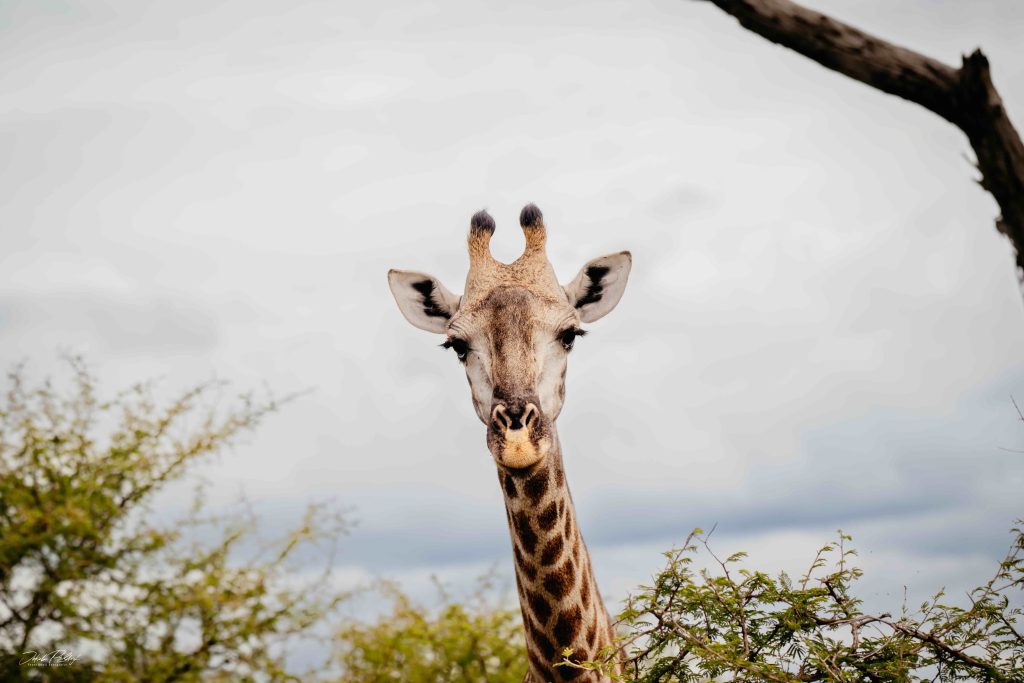
It’s not unusual to find elephants, zebras, impalas, giraffes and buffalo all visiting the same waterhole while predators wait nearby.
This natural gathering makes winter game drives especially rewarding.
One of the highlights of a winter safari is the early morning drive.
As the sun rises, many animals emerge from the cold night to warm themselves in the first rays of sunlight.
You’ll often find lions basking beside the road, baboons soaking up the morning warmth, and antelope feeding before temperatures begin to rise.
Predators are also generally more active during the cooler hours, increasing your chances of witnessing natural hunting behaviour.
Early mornings truly come alive during winter.
Winter temperatures are ideal for spending long hours on safari.
Typical winter conditions include:
Unlike the hot summer months, you’ll be able to enjoy a full day on safari without battling extreme heat.
Winter mornings often produce some of the most spectacular sunrises in Kruger.
The cool, dry air creates crisp golden light that photographers love, while the soft morning colours provide the perfect backdrop for wildlife photography.
It’s an unforgettable way to begin a safari adventure.
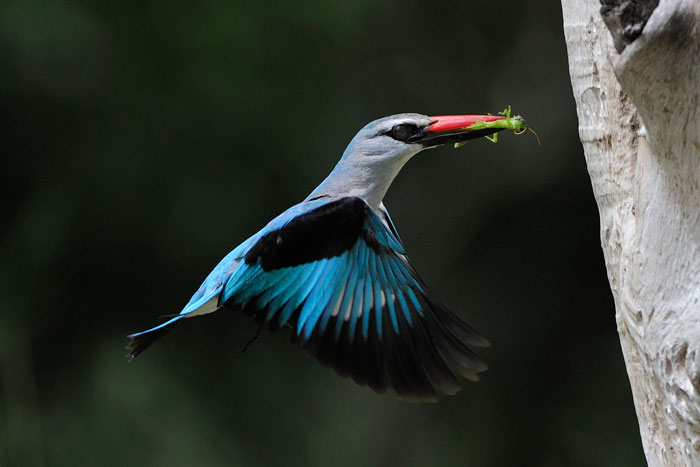
Although summer is considered peak birding season because of migratory species, winter still offers fantastic birdwatching opportunities.
Many resident birds remain active throughout the year, including:
For bird enthusiasts, winter still provides excellent photographic opportunities thanks to the clear skies and improved visibility.
Winter conditions allow experienced guides to make the most of every game drive.
At Mangovo Safaris, our guides know where wildlife is most likely to be found during the dry season and adjust each safari according to recent sightings and animal movement.
Because visibility is better and wildlife is more concentrated, guided safaris often deliver incredible encounters with Kruger’s famous Big Five and many other remarkable species.
If you’re looking for outstanding wildlife sightings, comfortable weather and unforgettable safari experiences, winter is one of the best times to visit Kruger National Park.
Whether you’re visiting South Africa for the first time or returning for another adventure, a winter safari offers incredible opportunities to experience Africa’s wildlife at its very best.
At Mangovo Safaris, we offer both private and shared safaris led by an experienced local guide who is passionate about the Kruger National Park. Let us help you experience the magic of a winter safari and create memories that will last a lifetime.
Let us help you plan a safari that fits your schedule, interests, and dreams. From spotting rare birds to tracking lions and sharing stories under the African sky — this is the kind of safari that stays with you.